· 18 min read
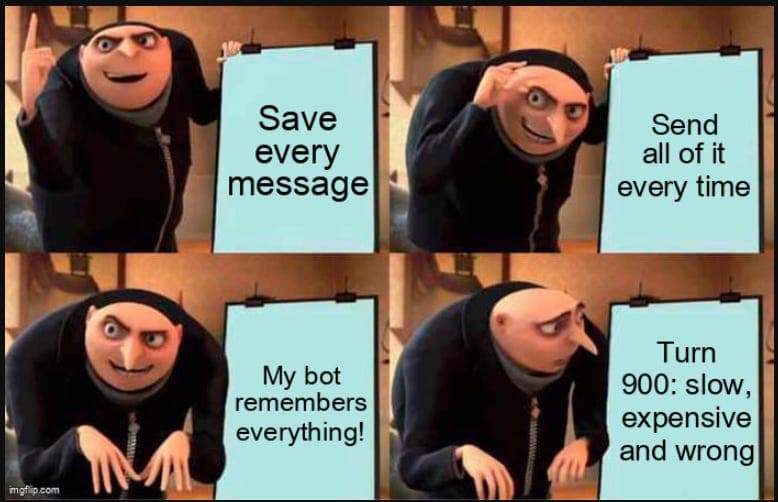
Building Chat Memory That Still Works at Turn 900
Replaying the full chat history works at turn 3. At turn 900 it is why your bill is high and your assistant is wrong.
Read on Substack →
ai engineeringsystem design
Prompt engineering, system design, and building AI products that hold up past the demo. Cross-posted from Substack.
Replaying the full chat history works at turn 3. At turn 900 it is why your bill is high and your assistant is wrong.
Read on Substack →
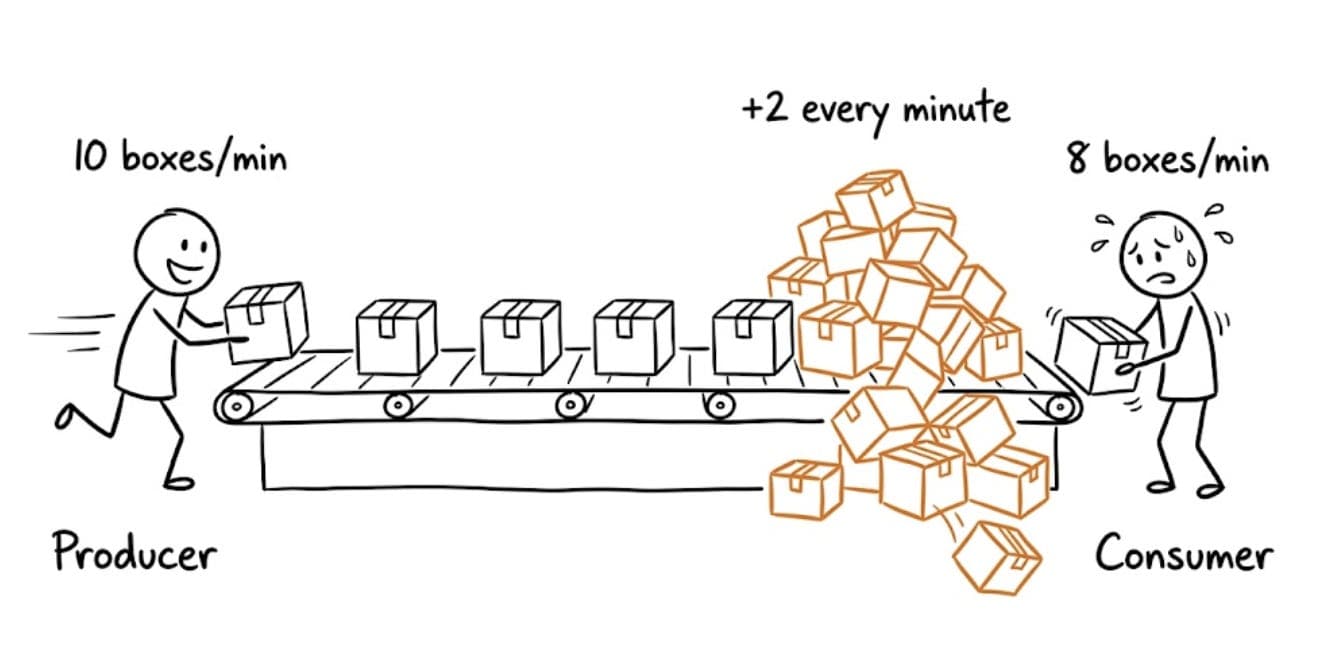
A plain-English guide to backpressure, the most important concept nobody explains to junior engineers.
Read on Substack →
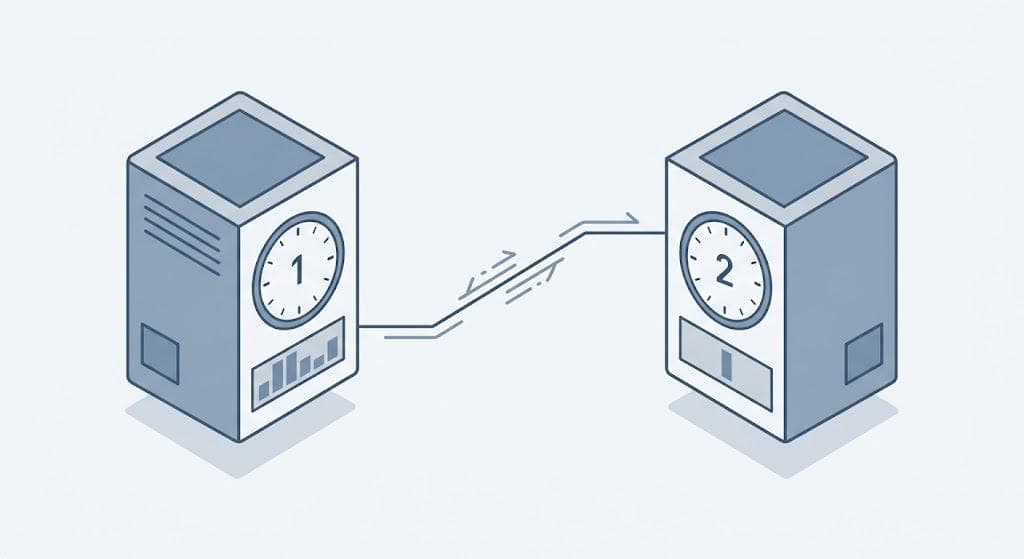
Most distributed systems don’t eliminate uncertainty — they just hide it.
Read on Substack →
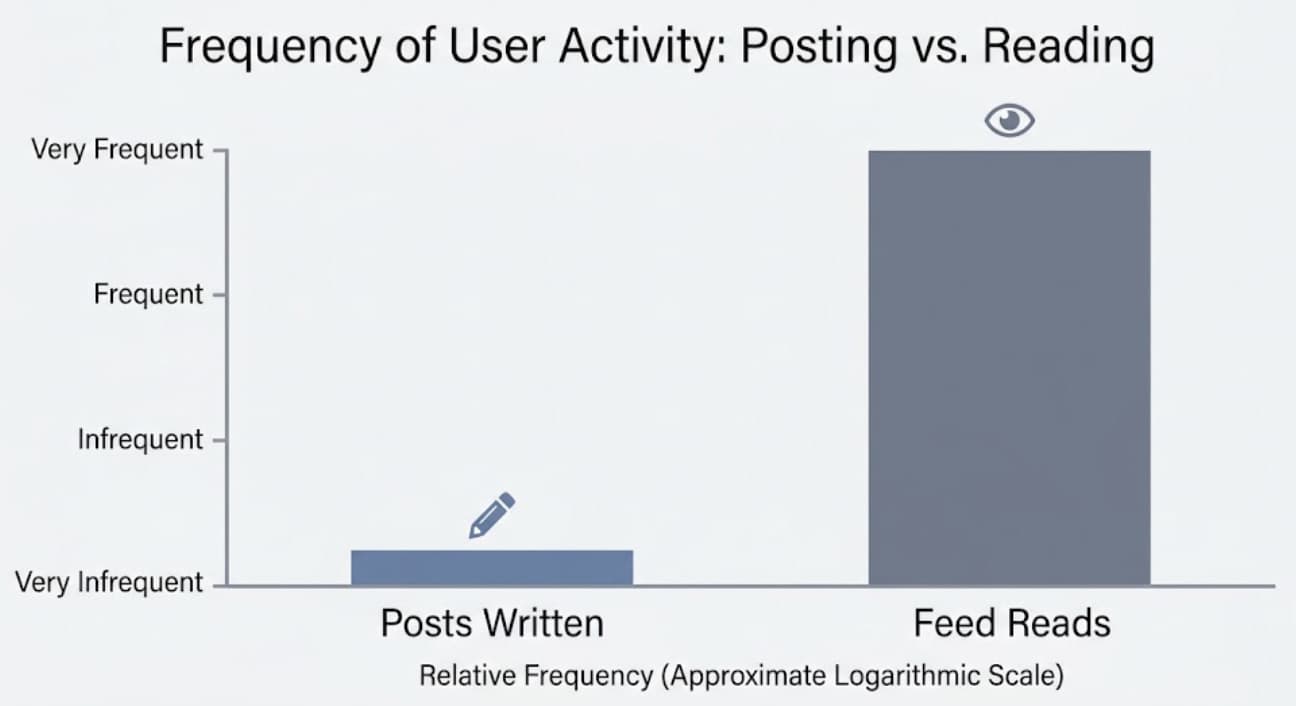
A quick note before we start: this is not a description of LinkedIn’s actual architecture.
Read on Substack →
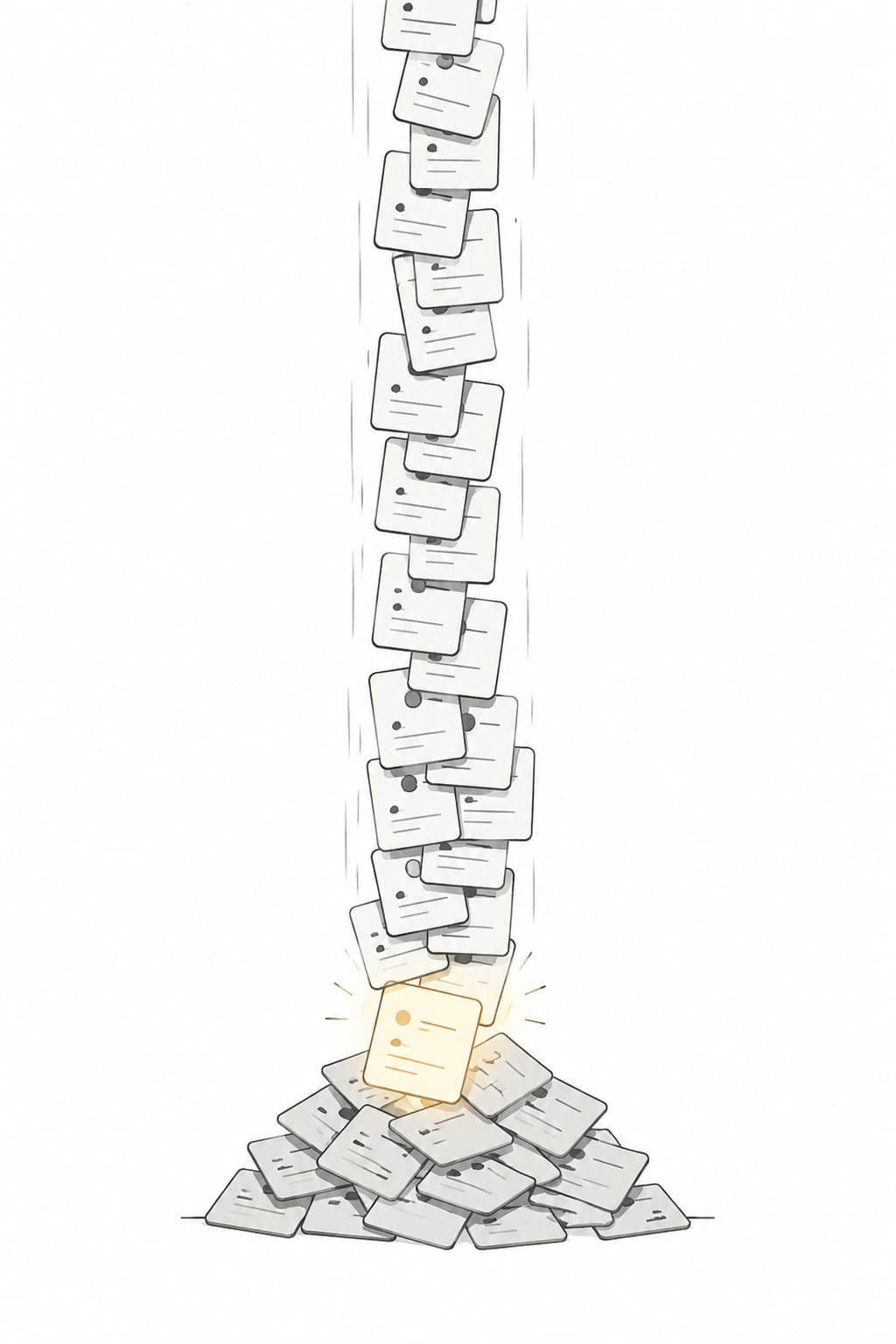
Every social feed you scroll runs a scoring function on every post, in real time, before you ever see it.
Read on Substack →
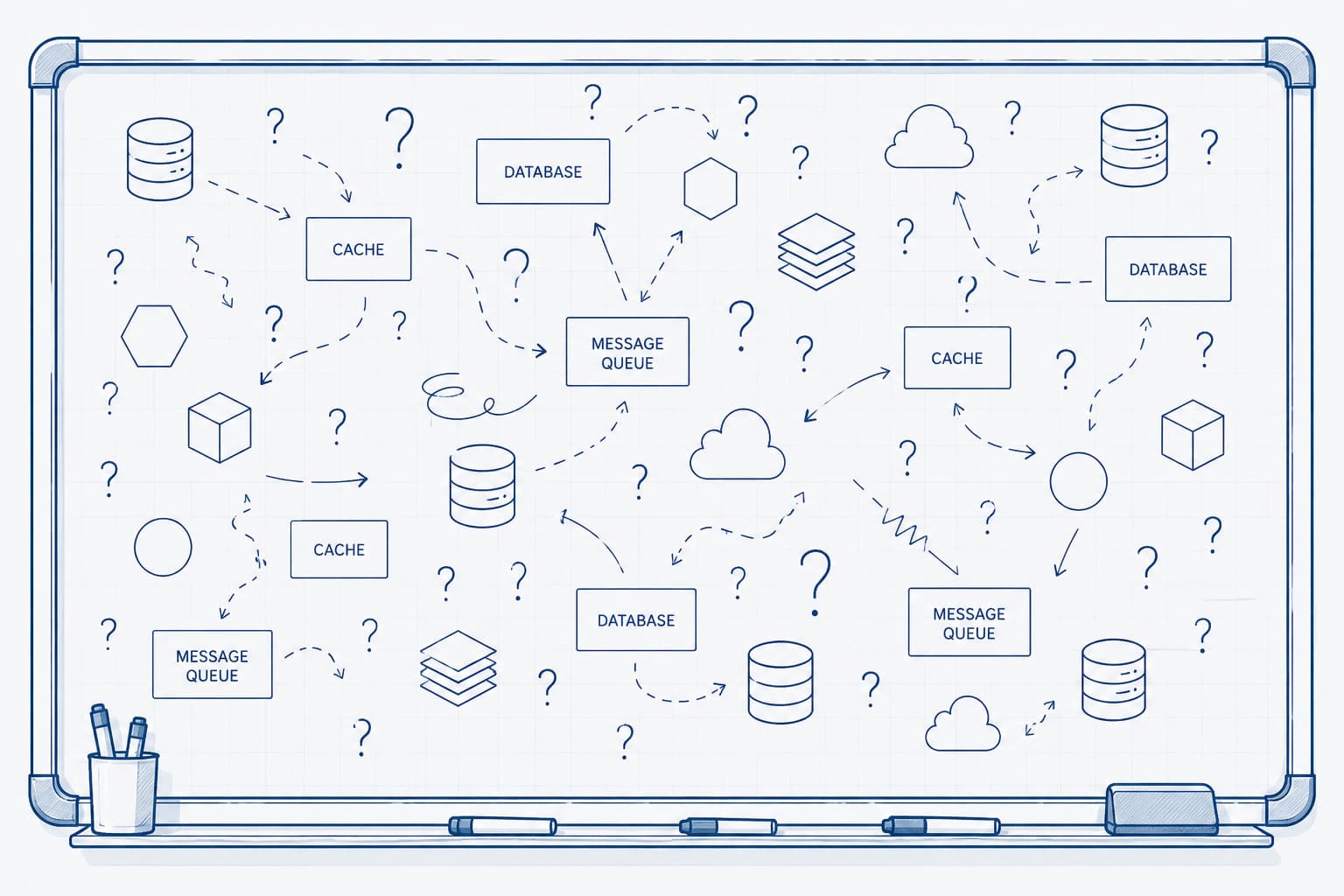
“Design Twitter.”
Read on Substack →
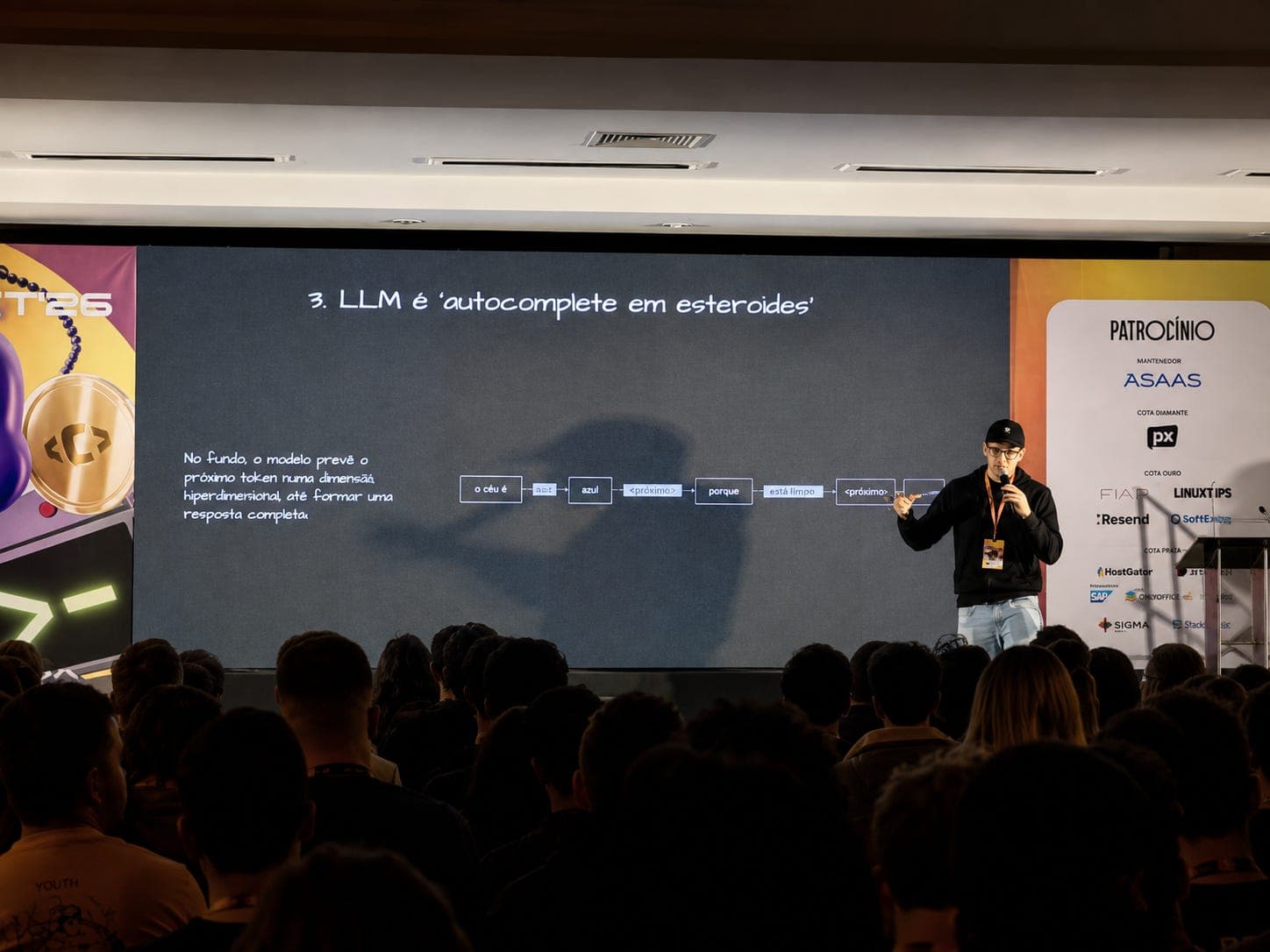
Last weekend I spoke at CodeCon Summit. The talk was called “O Guia do Mochileiro da Engenharia de IA” — the hitchhiker’s guide to AI engineering — and the premise was ambitious: walk through 42 concepts anyone entering this field needs to understand today, in one session, for a room of over 300 engineers.
Read on Substack →
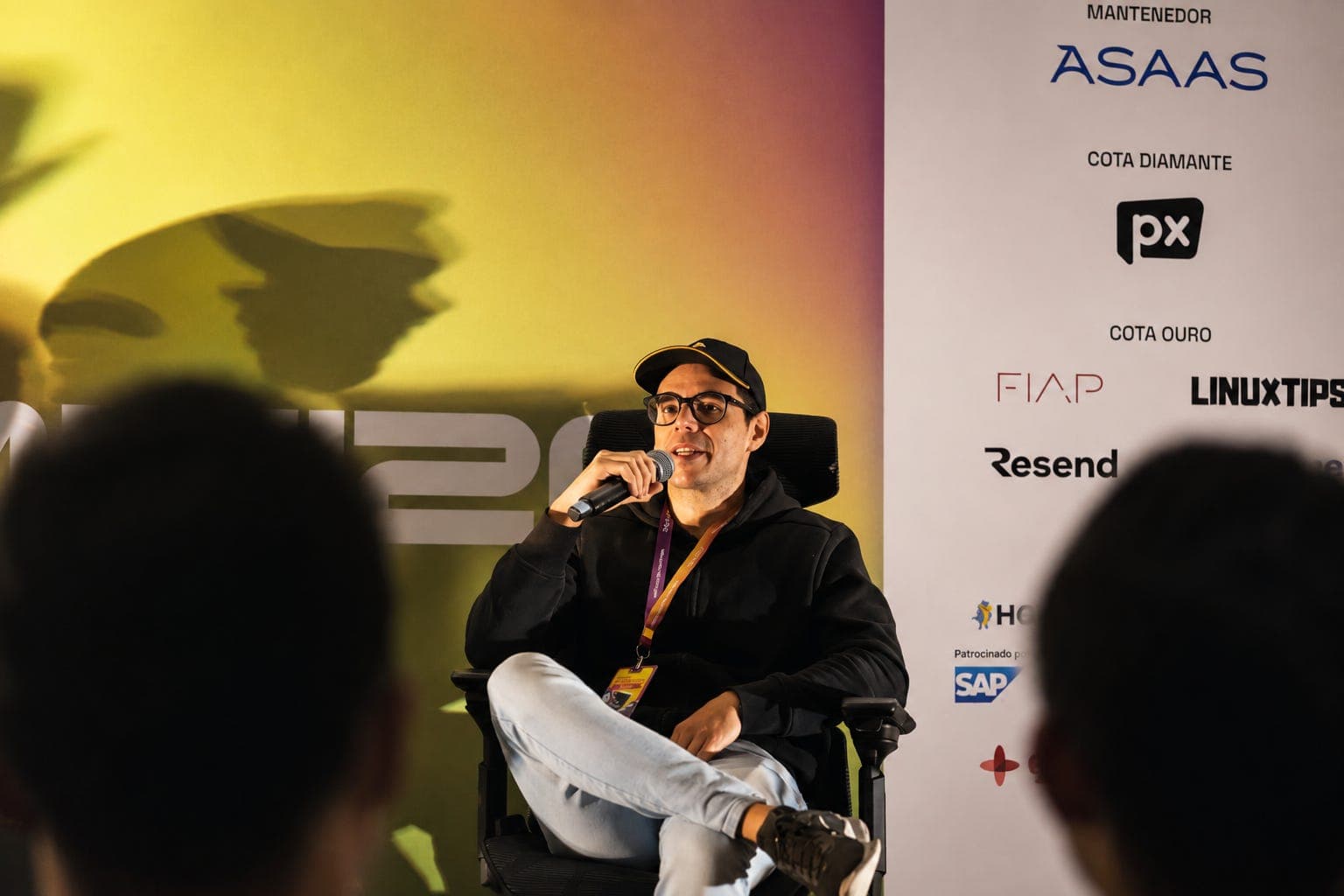
Writing code fast stopped being a differentiator.
Read on Substack →
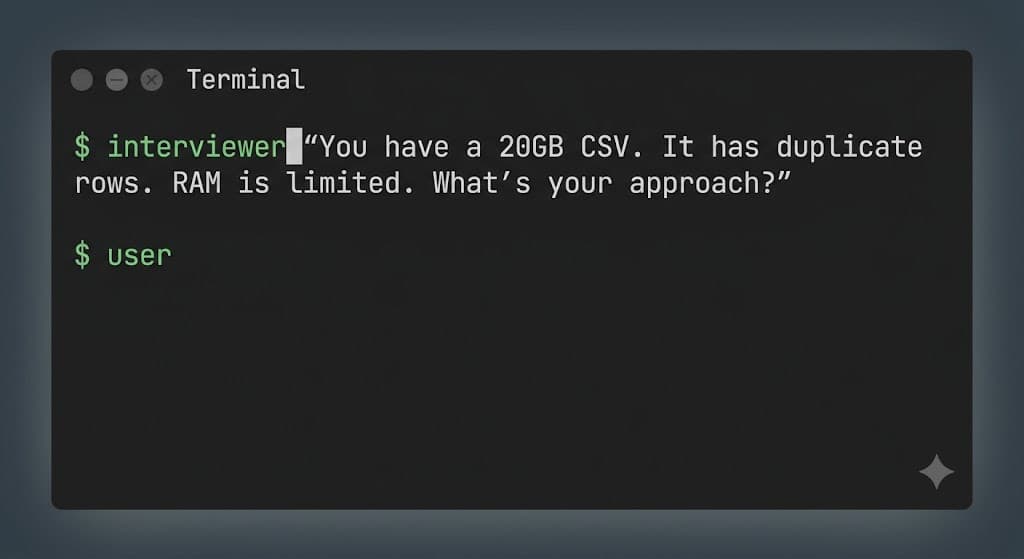
“You have a 20GB CSV.
Read on Substack →
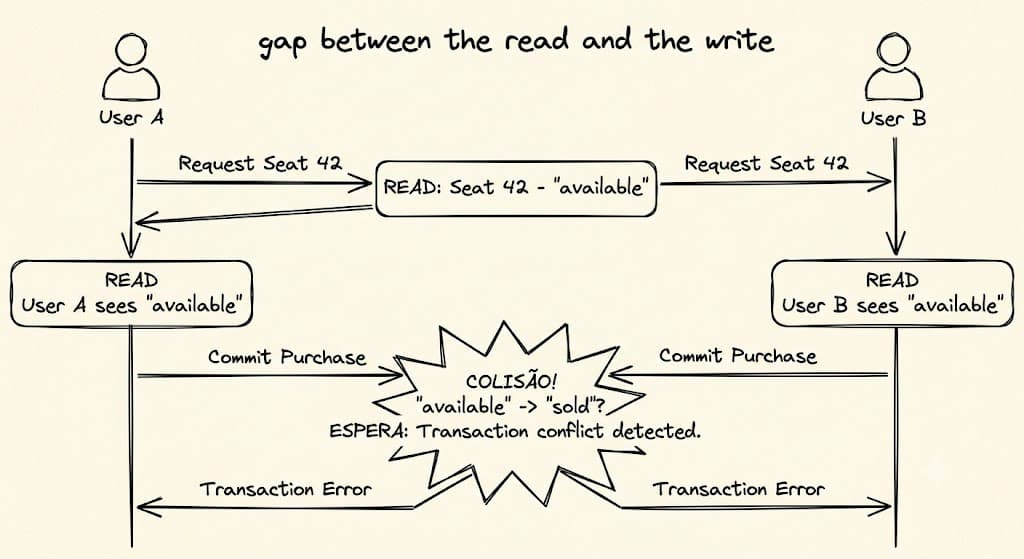
Somewhere right now, a transaction is holding a lock open while it waits on a payment gateway to respond.
Read on Substack →

Fragmented adoption feels like progress.
Read on Substack →
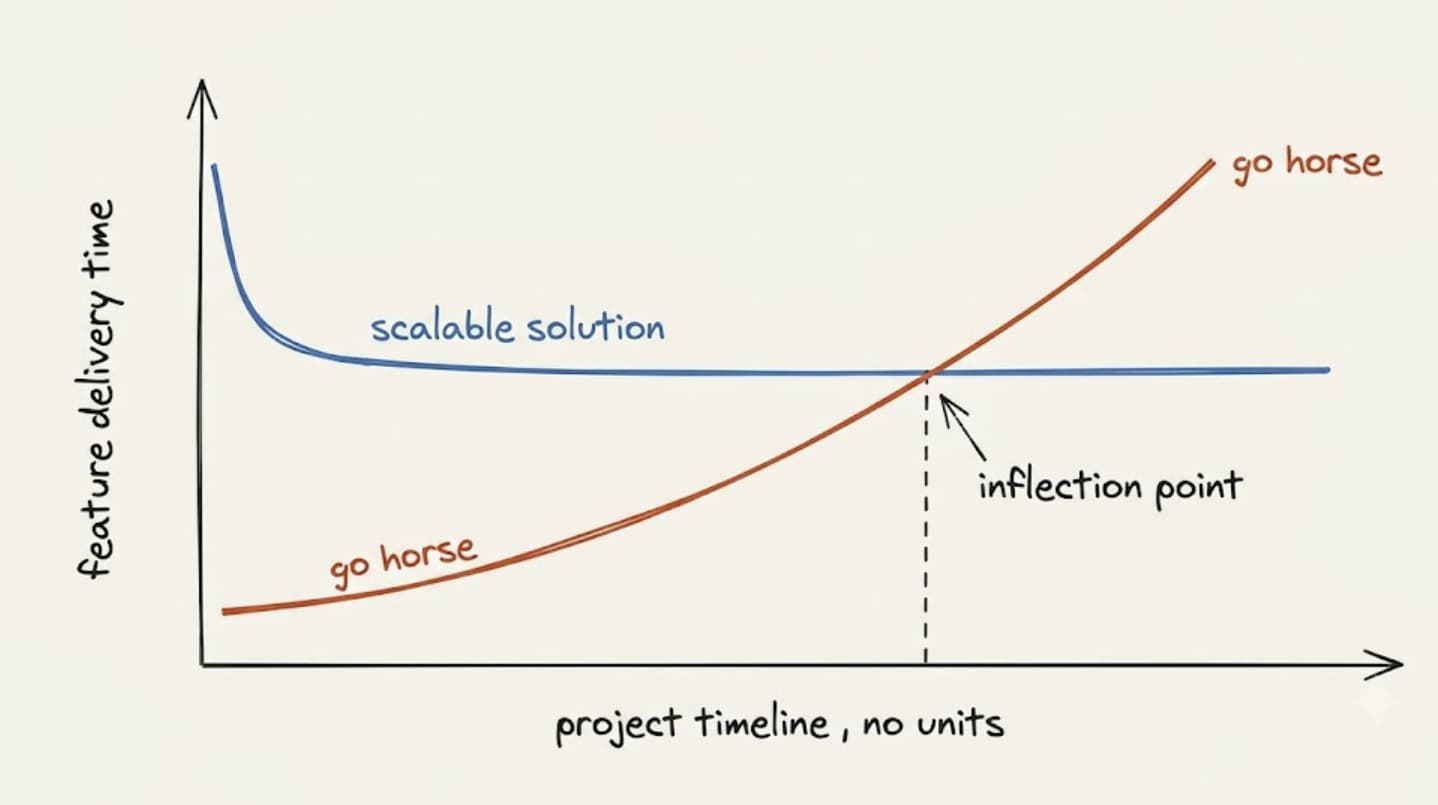
Every shortcut in engineering is a loan — and the interest rate is decided long before you know you’re paying it.
Read on Substack →
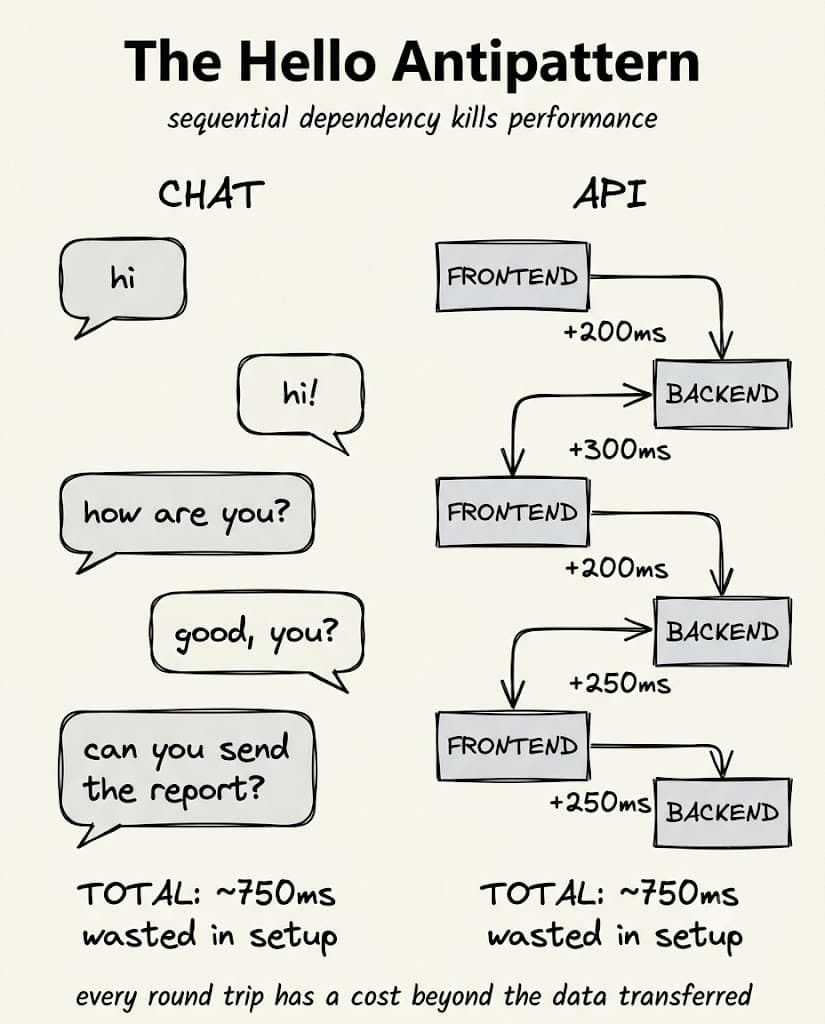
Every network call has a fixed tax.
Read on Substack →

There is no universal standard for good code.
Read on Substack →
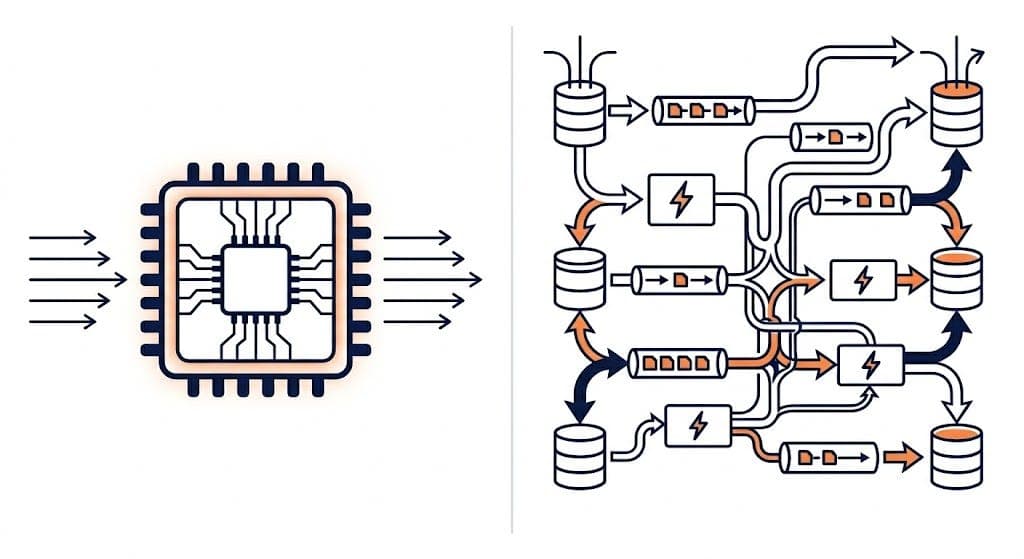
Everyone cites Designing Data-Intensive Applications. It’s on the reading list of every serious engineering team. Engineers drop it in interviews. CTOs reference it in system design discussions. But most people read it once, nod along, and move on without internalizing what the first chapter is actually saying.
Read on Substack →
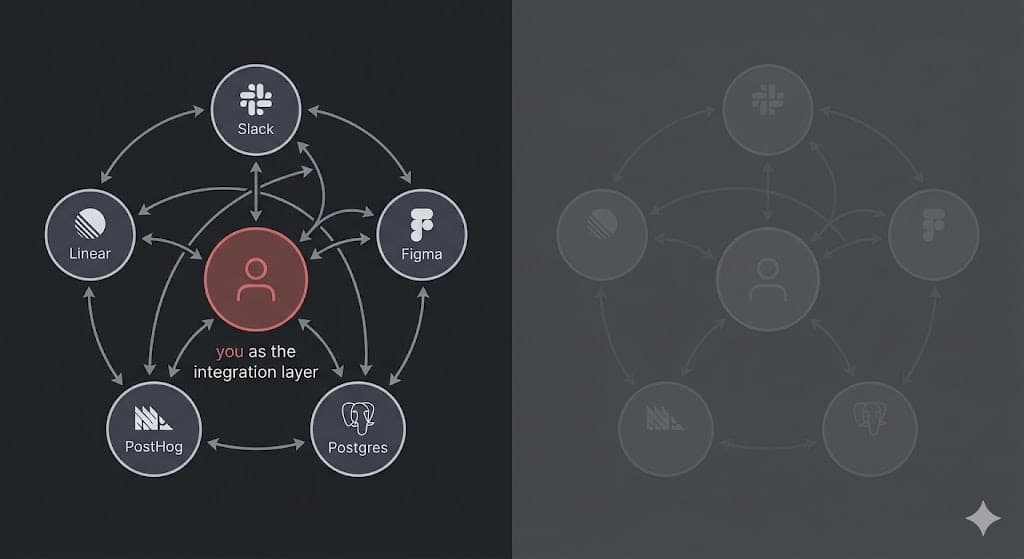
There’s a type of cognitive overhead that engineers have normalized so completely they stopped noticing it.
Read on Substack →
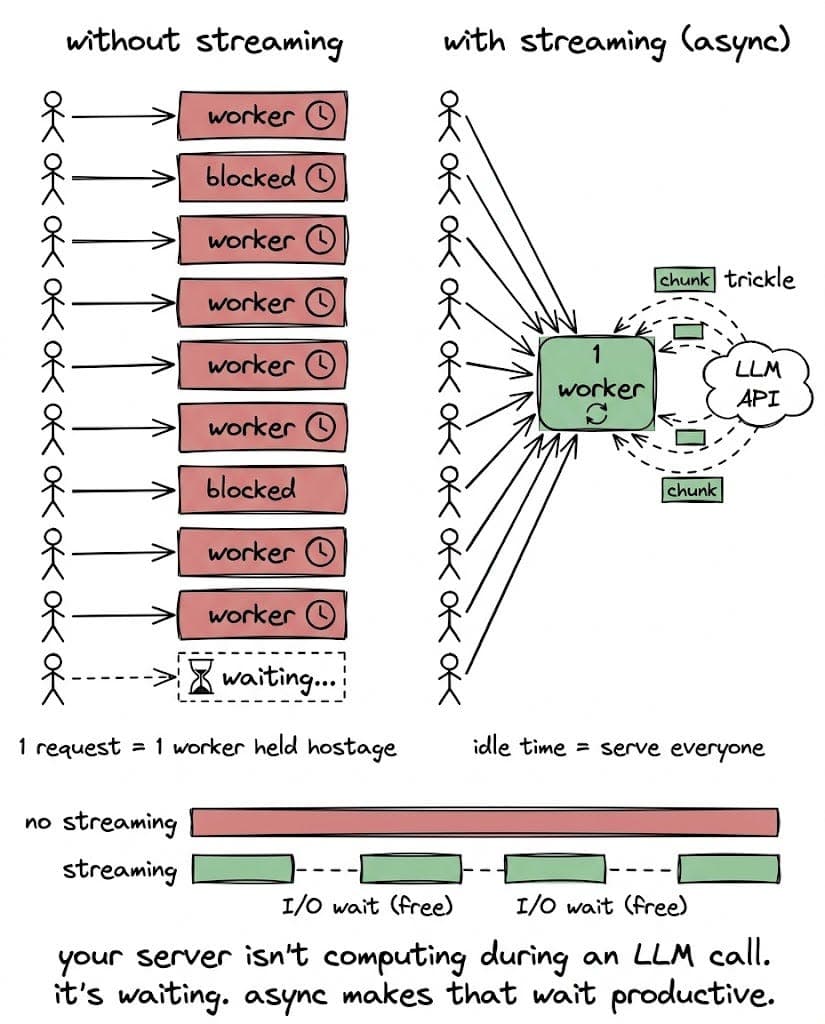
Most teams add streaming to their AI products because it feels faster.
Read on Substack →
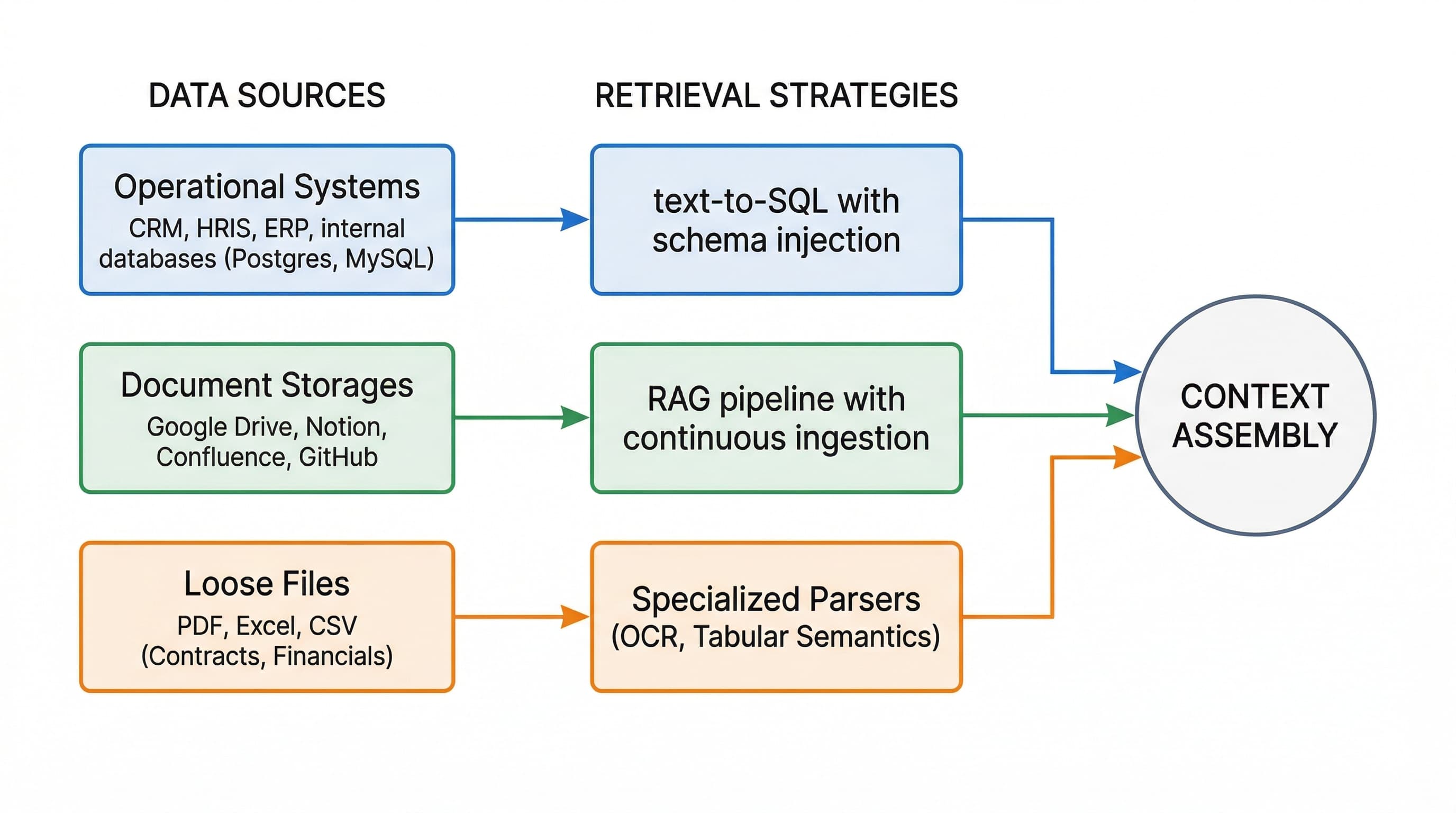
Every company I’ve worked with has the same problem dressed in different clothes.
Read on Substack →
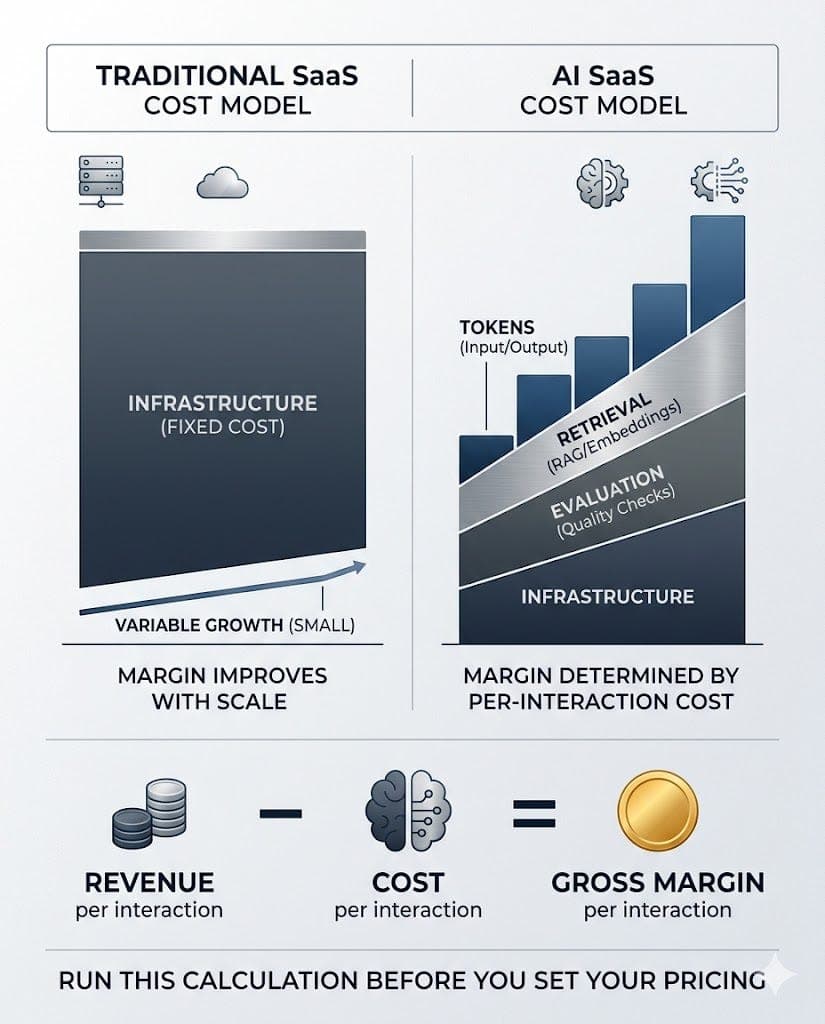
Traditional SaaS has a comforting property: infrastructure costs are largely fixed.
Read on Substack →
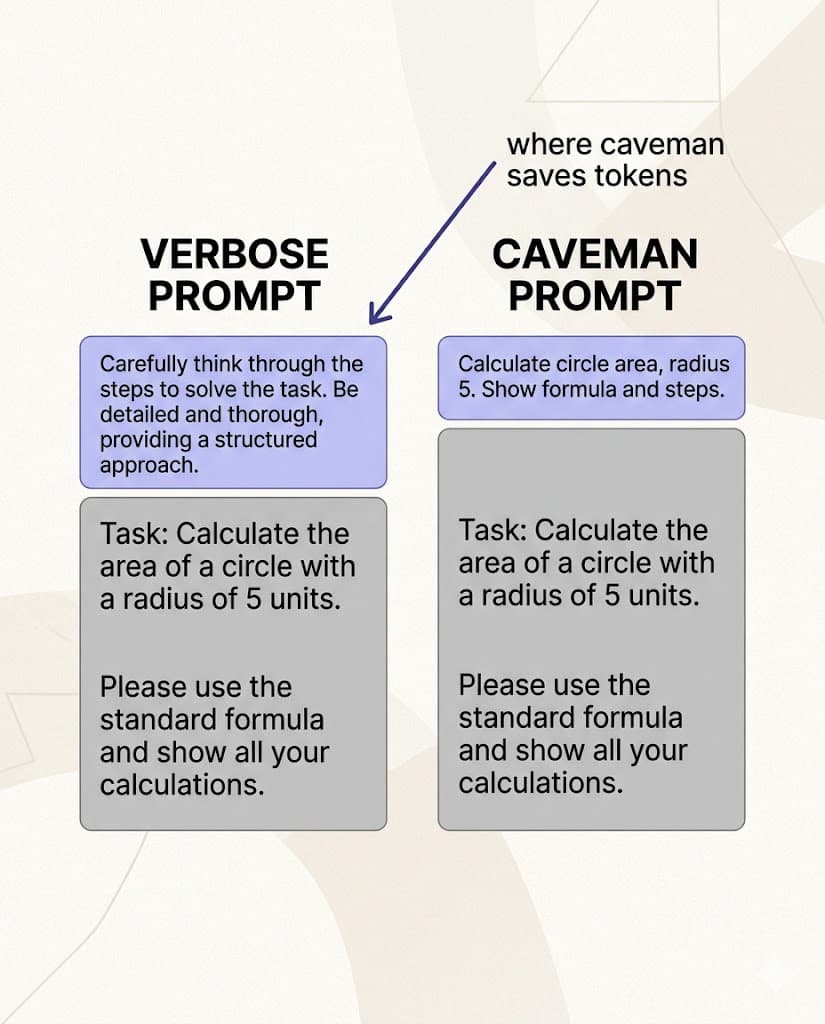
There’s an idea that circulates in AI engineering circles called “caveman prompting.” The premise: write your instructions in stripped-down, telegraphic English — almost no grammar, no courtesy, just the bare intent — and the model will still deliver.
Read on Substack →